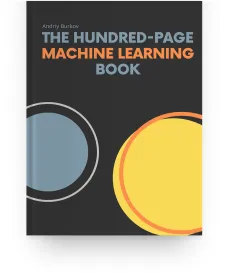
Iโve spent the past few days reading ๐๐ฉ๐ฆ ๐๐ฏ๐ฆ-๐๐ถ๐ฏ๐ฅ๐ณ๐ฆ๐ฅ-๐๐ข๐จ๐ฆ ๐๐ข๐ค๐ฉ๐ช๐ฏ๐ฆ ๐๐ฆ๐ข๐ณ๐ฏ๐ช๐ฏ๐จ Book by Andriy Burkov, and Iโm genuinely glad I did.
This is one of those rare books that manages to strike what feels like a ๐ฝ๐ฒ๐ฟ๐ณ๐ฒ๐ฐ๐ ๐ฏ๐ฎ๐น๐ฎ๐ป๐ฐ๐ฒ: it covers a remarkably wide range of machine learning algorithms and techniques in a very short space, explains them in a clear and engaging way, and yet ๐ป๐ฒ๐๐ฒ๐ฟ ๐๐ฎ๐ฐ๐ฟ๐ถ๐ณ๐ถ๐ฐ๐ฒ๐ ๐ฟ๐ถ๐ด๐ผ๐ฟ. The mathematical foundations are always there โ equations included โ but introduced only when they are truly needed.

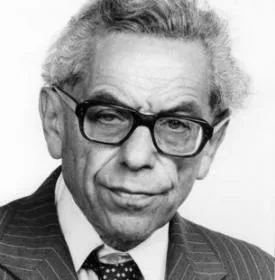
I have purchased, last weekend, Paul Hoffman's book The Man Who Only Loved Numbers. This is a biography of the great and equally eccentric number theorist of all times Paul รrdรถs.
The book has been published in 1998, two years after the death of รrdรถs in Warsaw. The first 25% of Hoffman's book is interesting and entertaining at the same time. It tell the story of a man who devoted his whole life to Mathematics, who travelled from country to country carrying all his belongings in a briefcase and a bag.
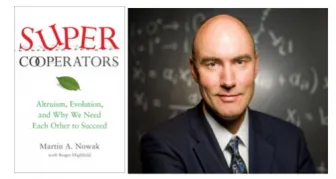
I would safely say that the summer of 2012 has been the summer of reading and playing around with different ideas about evolution, cooperation and competition. I have not heard of Martin Nowak until I read his article in Scientific American's July issue. Then, a few weeks later, I was reading about him again in Chaitin's book Proving Darwin. Martin Nowak is a researcher in Mathematics and Biology. He spent most of his research career tackling problems about evolution and evolutionary games mathematically and through numerous computer simulations.
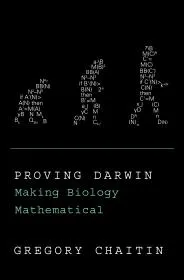
When I stumbled upon this title , I did not hesitate for a second to order it. A mathematical book on the theory of evolution and written by the the famous Gregory Chaitin on top of that. Things looked so promising and I was anxious to get the book by mail.
The first impression when I got the book in my hands was that it was very thin. Though, I did not want to let myself be fooled by the the size.
Proving Darwin aims at introducing a new science founded by Gregory Chaitin himself and called Metabiology. The book describes a toy universe of evolution. A model that,according to Chaitin, captures the essence of evolution yet it remains simple enough to be tackeled mathematically.
It is a fact that we owe much to the ancient greek philosophers and mathematicians. Such mathematicians succeeded to turn all the trade-motivated calculation recipies gathered by sumerians and babylonians after them into a sound science that we call mathematics today. Some of the pioneers in this adventure were the Pythagoreans.
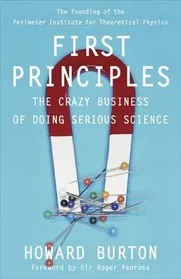
This book has got my attention a couple of weeks ago during one of my weekend bookstore roaming. On the book cover one could read that this was about the foundation of a theoretical physics institute in Waterloo, the Perimiter Institute. An institute that aims answering foundational questions about quantum physics while taking different sometimes divergent approaches in tackling this problem.